

Flooded Member Detector
A flooded member detector is the fastest, safest way to confirm whether seawater has entered a structural member of an offshore or subsea structure. Cygnus builds a complete range of ultrasonic flooded member detection systems for both diver and ROV deployment purpose-designed for Flooded Member Inspection (FMI) on jackets, braces, risers, caissons, and other tubular members that are meant to stay dry. Every system is designed and manufactured in the UK at our Dorchester, Dorset headquarters, and delivers a clear DRY or FLOODED result in seconds, with no radioactive sources to manage.
Featured Products
Change Shipping Destination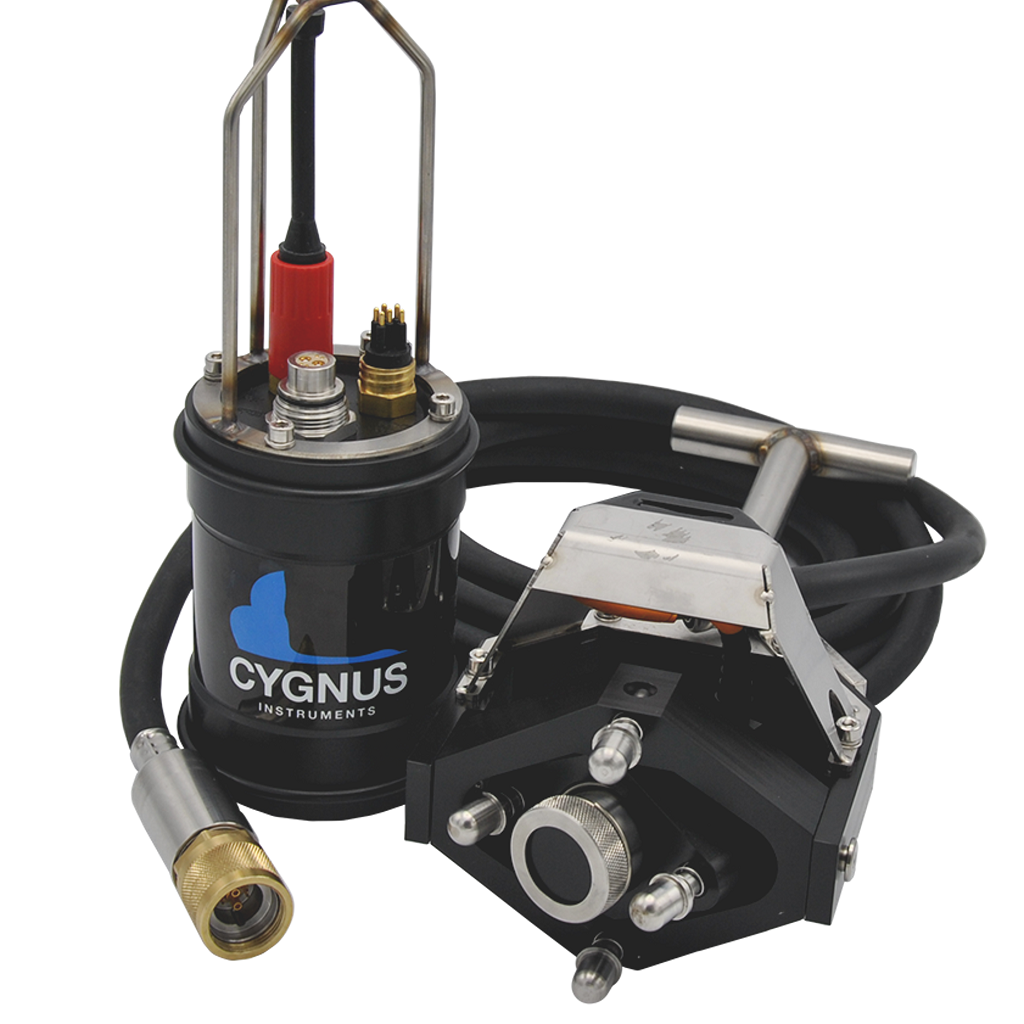
Cygnus FMD System for Diver
Purpose-built for Flooded Member Inspection (FMI), this Cygnus FMD system detects any ingress of water or 'flood' in ...
More Info
Cygnus FMD System for ROV
Designed by our ultrasonic specialists with years of subsea industry experience, this Flooded Member Detector (FMD) c...
More Info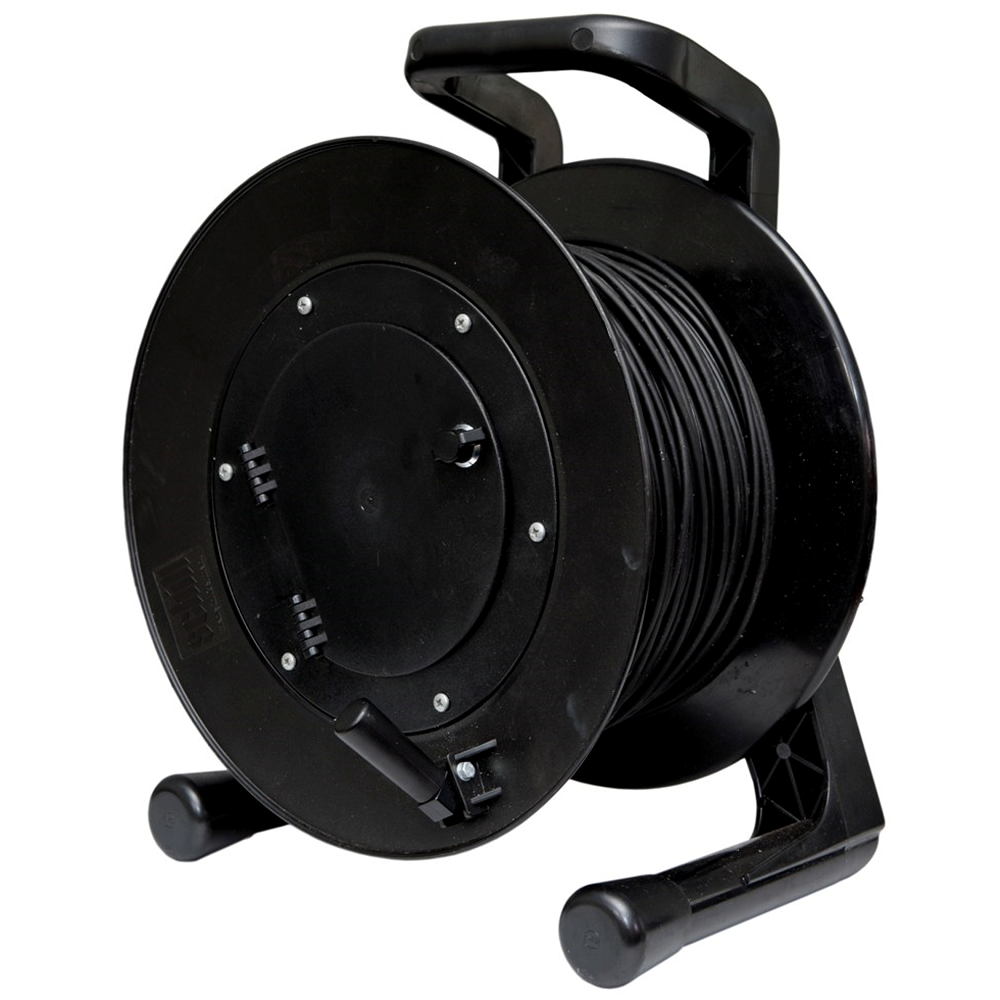
FMD Umbilical Cable
The Cygnus FMD umbilical cable is available to purchase in the length of 120m Other Cygnus product brochures can be a...
More Info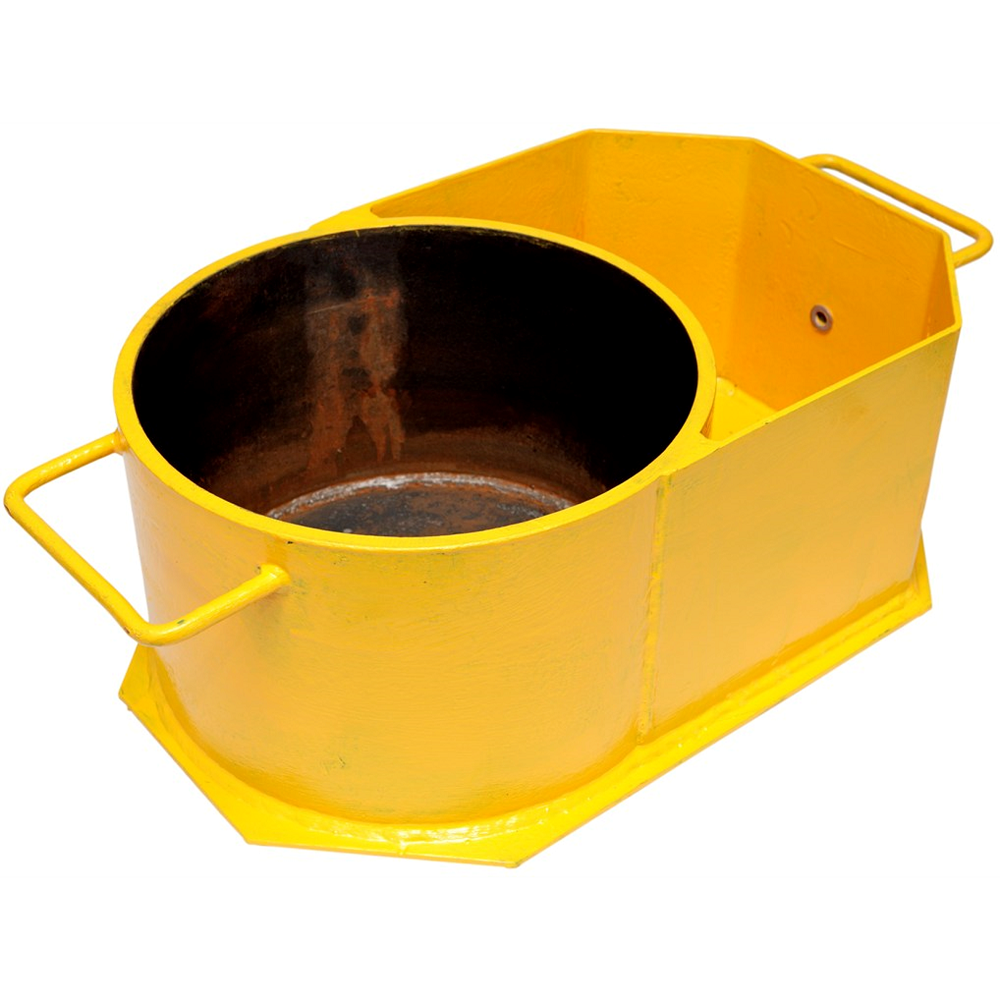
System Test Piece
Used to run a full system test of the Cygnus FMD system. Other Cygnus product brochures can be accessed from the Prod...
More Info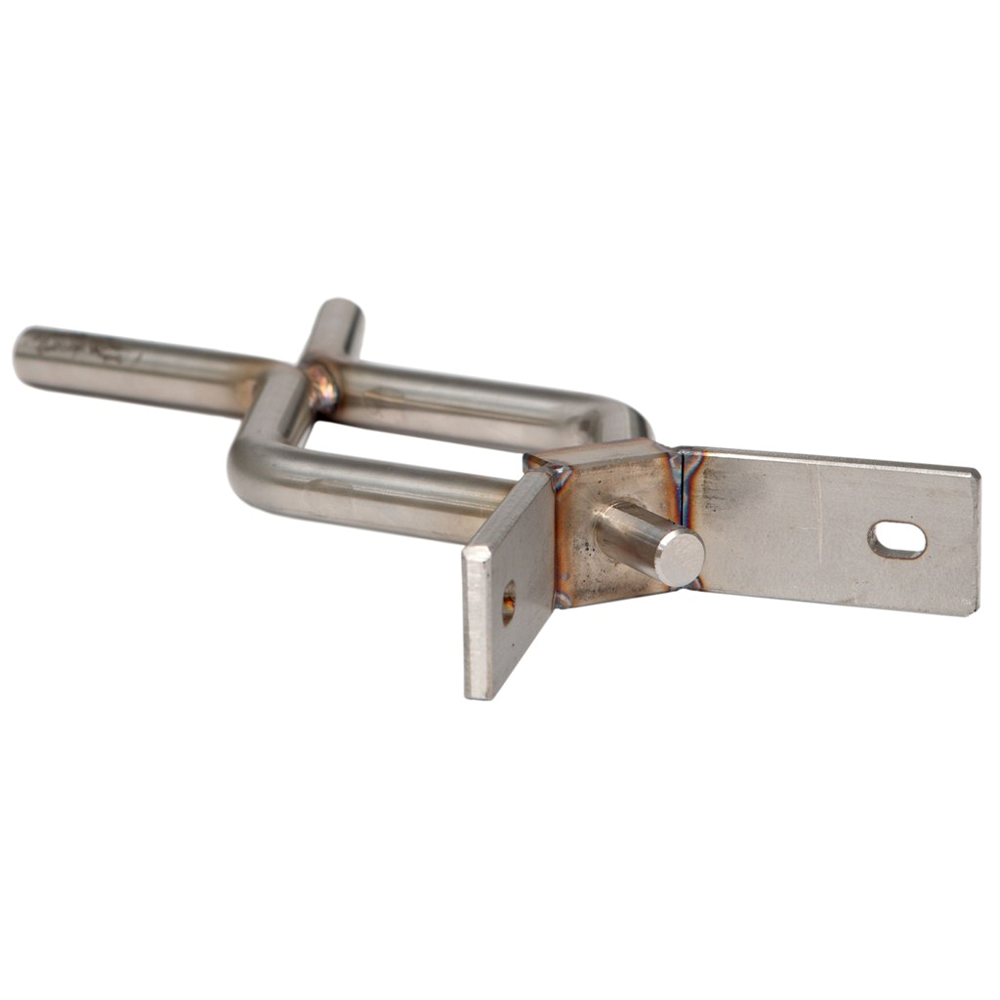
What Is a Flooded Member Detector?
Flooded Member Detection (FMD) also called Flooded Member Inspection (FMI) is a non-destructive test that determines whether seawater has entered a normally air-filled subsea structural member. Because most offshore platform members are designed to remain dry and buoyant, the presence of water is a reliable indicator of a through-wall defect such as a crack or weld failure. These breaches often occur after extreme weather events or impact, and without inspection the ingress of water or “flood” typically goes completely undetected, posing a serious structural integrity risk to UK and international offshore assets.
Detecting a flooded member early is a core part of any structural integrity and asset integrity management (AIM) programme. You can read a fuller technical explanation on our dedicated Flooded Member Detection application page.
How Ultrasonic Flooded Member Detection Works
A Cygnus ultrasonic flooded member detector uses a single-element, high-power piezo composite probe operating at 0.5 MHz. The probe is placed against the member by a diver or ROV, and a built-in contact sensor confirms correct alignment before any reading is taken. Ultrasound is then transmitted into the member the way this signal behaves reveals whether the internal cavity is air-filled (DRY) or water-filled (FLOODED).
The result is processed by purpose-designed software at the surface and shown as a simple DRY (green) or FLOODED (red) indication, supported by A-scans for verification. Every reading is logged and can be exported to PDF and Excel for reporting. Unlike gamma radiography, this ultrasonic testing (UT) method uses no radioactive isotopes removing the licensing, exclusion-zone, and health-and-safety burden associated with radiation-based subsea inspection equipment. This makes it the preferred choice for UK North Sea operators, offshore inspection contractors, and asset integrity teams seeking a safe, owner-operated FMD solution.
Cygnus Ultrasonic FMD Systems
The Cygnus Flooded Member Detection system is built around one core idea: a single instrument that can be deployed by either a diver or an ROV. The system comprises the probe and self-aligning probe handler, the subsea electronics unit, and the surface reporting software. Because the same unit is shared between divers and ROV pilots, operators avoid purchasing two separate tools to cover both deployment methods a design innovation that delivers real cost savings for UK offshore inspection programmes.
Cygnus FMD System for Diver
Purpose-built for underwater Flooded Member Inspection, the Cygnus FMD System for Diver gives UK and international diving teams an easy, reliable way to test tubular members by hand. The self-aligning probe handler ensures correct contact without the need for precise manual alignment at depth. The compact design reaches hard-to-access geometry such as K-nodes where other methods fail. Results are displayed and logged at the surface as a simple DRY or FLOODED indication giving the dive supervisor a clear, documented outcome without specialist interpretation. Compatible with diver handling or ROV manipulators.
Cygnus FMD System for ROV
The Cygnus FMD System for ROV brings the same intelligent electronics and failsafe software to ROV flooded member detection. Designed by Cygnus ultrasonic specialists with decades of subsea IRM experience, it is fully operable by ROV pilots without specialist NDT training. Built in high-grade acetal for the harshest subsea environments, it uses a full-duplex RS232 data link suitable for fibre multiplexers and is backed by a three-year warranty. The system pairs naturally with the wider Cygnus range of ROV-mountable subsea inspection equipment for complete asset integrity management.
FMD Accessories & Consumables
A range of FMD accessories completes and maintains your system:
Bullet List:
- FMD Umbilical Cable A 120 m CEM-matched tether that preserves power and data integrity to full operating depth, compatible with both diver and ROV deployment.
- System Test Piece Used to run a full system test before deployment, giving you a documented, defensible verification of equipment performance and readiness.
- Probe Holder Handles Stainless steel D-handle, T-bar, and fantail options to suit diver handling or ROV manipulators across a range of member geometries.
You can also browse all spares and accessories for the wider Cygnus range.
Ultrasonic vs Gamma vs Acoustic FMD: Which Method?
There are three established technologies for Flooded Member Inspection, and the right choice depends on your scope, structure, and environment.
| Method | How It Works | Best Suited To | Trade-Offs |
| Ultrasonic (UT) Cygnus | Contact probe transmits sound into the member; signal behaviour reveals DRY vs FLOODED | Interim and one-off inspections; diver or ROV; owner-operated UK offshore programmes | Surface may need light cleaning at the contact point |
| Gamma Radiography | A radioactive source and detector measure density across the member | Large platform-wide scopes; no cleaning needed | Radioactive source, exclusion zones, licensing, and specialist crew required |
| Acoustic / Wideband | Non-contact acoustic technique reads through coatings | Heavily coated members; standoff inspection | Higher cost; specialist tooling required |
Gamma radiography is often deployed when an entire subsea platform requires inspection, but for interim or one-off inspections, an ultrasonic offshore flooded member detector is an excellent, far more economical alternative. It is safe, simple to use, and can be deployed quickly by an on-platform dive team or ROV pilot without outsourcing to a radiation contractor making it the preferred choice for UK North Sea and international offshore operators.
Key Benefits
- Safe. No gamma rays and no radioactive sources eliminating radiation paperwork, exclusion zones, and the associated health-and-safety logistics for UK offshore operators and inspection contractors.
- Cost-Effective. The system is owner-operated and extremely easy to learn, so inspections can be carried out by your own team across a range of experience levels without the cost of external radiation contractors or specialist NDT crews.
- Reliable. A purpose-designed algorithm combines advanced signal processing, peak detection, and low-distortion, low-noise data acquisition to deliver the highest possible Probability of Detection (POD) and eliminate false readings. A measurement is only ever taken once the contact sensor confirms correct probe contact and alignment, and any loss of contact is flagged at the surface.
- Rugged. Built to the highest standards in high-grade acetal for the harshest subsea environments rated to 300 msw and backed by a three-year warranty.
- Versatile. The compact probe reaches difficult geometry such as K-nodes, works to a depth of 300 msw, and the same unit deploys by both diver and ROV. A built-in system test function lets you verify the equipment before every dive.
Applications & Industries
Flooded Member Detection is essential wherever normally dry tubular members must be confirmed sound:
Bullet List:
- Offshore Oil & Gas Routine and post-storm inspection of jacket legs, braces, risers, and caissons as part of offshore inspection and IRM programmes across the UK North Sea and internationally.
- Offshore Wind & Renewables Foundations and transition pieces exposed to impact, fatigue, and the demanding environmental conditions of UK offshore wind farms.
- Subsea Pipelines and Connectors Confirming structural integrity in dynamic subsea structures and pipeline support systems.
- Naval, Defence, and Marine Infrastructure Mooring systems, piers, jetties, and submerged structures requiring periodic structural integrity verification.
FMD complements wider corrosion-monitoring and wall-loss programmes. Many operators pair an FMD system with underwater ultrasonic thickness gauges to build a complete picture of subsea asset integrity, and with oil and gas pipeline inspection tools topside.
Technical Specifications
| Parameter | Specification |
| Probe | 0.5 MHz high-power piezo composite, single element |
| Measuring Range | 200–2,000 mm member diameter |
| Resolution | 1 mm |
| Depth Rating | 300 msw |
| Communications | RS232 & RS485, TIS 200 baud |
| Diver Data Link | RS485 half-duplex |
| ROV Data Link | RS232 full-duplex (suitable for fibre multiplexers) |
| Power (Diver PSU) | 110–240 V AC, 50/60 Hz @ 1 A max |
| Power (ROV) | 12–24 V DC @ 60 mA (115 mins) |
| Electronics Body | Acetal, 0.9 kg (95 mm dia. × 115 mm) |
| Probe Handler | Acetal, 2.5 kg |
| Umbilical | 120 m |
| Operating Temperature | 0°C to +75°C |
| Storage Temperature | −40°C to +55°C |
Why Choose Cygnus
Cygnus was founded in 1983 and has spent four decades building robust, simple-to-use ultrasonic testing equipment for corrosion inspection and subsea IRM. Our flooded member detectors are designed and manufactured in the UK at our Dorchester, Dorset headquarters, supported by ISO 9001-certified quality systems, a three-year warranty, and worldwide service. Learn more about why customers choose Cygnus, explore Cygnus’ role in NDT, or read our customer reviews.
Frequently Asked Questions
What is a flooded member detector?
+A flooded member detector is an inspection instrument used to determine whether seawater has entered a normally air-filled subsea structural member. Because such members are designed to stay dry, detected water indicates a through-wall defect such as a crack or weld failure.
What is the difference between FMD and FMI?
+They describe the same activity. FMD (Flooded Member Detection) and FMI (Flooded Member Inspection) are used interchangeably for the process of testing tubular members for water ingress.
How does an ultrasonic flooded member detector work?
+An ultrasonic probe is placed on the member and a contact sensor confirms alignment. Ultrasound is transmitted into the member, and the signal response indicates whether the interior is dry or flooded. The surface software then displays a DRY or FLOODED result with A-scans.
Is ultrasonic FMD better than gamma?
+Each has its place. Gamma is common for platform-wide scopes with no cleaning. Ultrasonic FMD is safer (no radioactive source), more economical and ideal for interim or one-off inspections that your own team can perform.
Can one system be used by both divers and ROVs?
+Yes. The Cygnus FMD system is designed so the same core unit is shared between diver and ROV deployment, with handle and cable options to suit each.
What member sizes and depths can it inspect?
+The system inspects members from 200 to 2000 mm in diameter and is rated to 300 msw.